Vape Culture: Understanding the Growth of Vaping in Modern Society
Vaping culture has become a significant trend among young adults, fueled by the pursuit of healthier choices and a wide range of flavor varieties. Social platforms magnify this phenomenon, presenting vaping as a socially acceptable choice. Nevertheless, the health-related consequences continue to be disputed, prompting serious questions regarding its safety. As vape shops evolve into community hubs, the nature of this culture keeps evolving. Where is this rapidly developing culture headed?
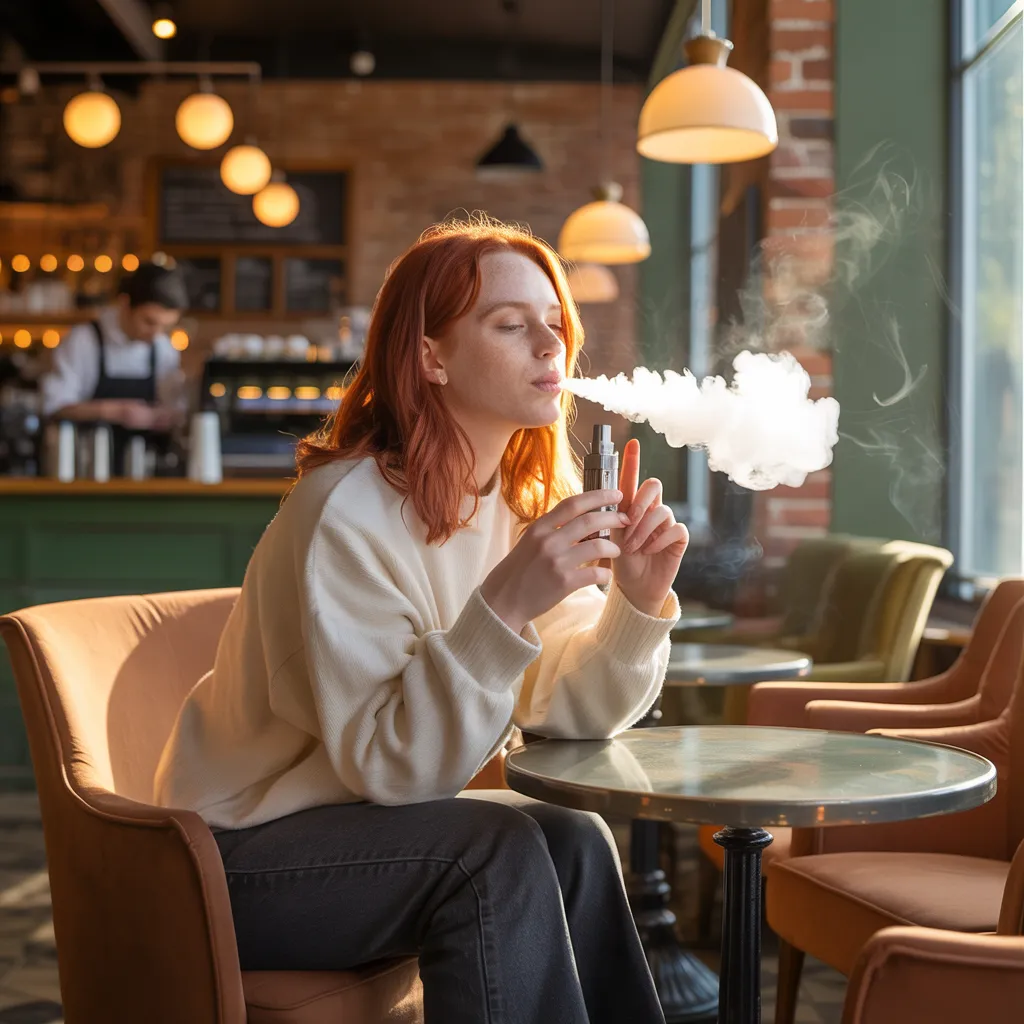
What Is Driving People to Switch to Vaping?
As knowledge of the health hazards connected to traditional cigarette use expands, a growing number of people are turning to vaping as an apparently less harmful substitute. This shift is driven by a combination of factors, including the appeal of flavors and customizable options that vaping devices provide. Numerous users value the wide range of flavors, spanning from fruity to dessert-themed options, which make the experience far more pleasant than traditional tobacco. Additionally, vaping is often viewed as a more socially acceptable practice, particularly among younger demographics. The technology behind vaping devices also allows for a level of control over nicotine intake, appealing to those looking to reduce consumption gradually. Beyond that, the notion that vaping is less bothersome and leaves behind fewer persistent odors compared to smoking plays a role in its increasing prominence. As a consequence, a broad spectrum of individuals, including both former smokers and those new to nicotine use, are steadily embracing vaping as their preferred choice.
Is Vaping Truly Safe? The Health Discussion?
How does vaping measure up against conventional smoking in terms of safety? This question has sparked considerable debate among health professionals and the public alike. Although vaping is frequently promoted as a healthier option compared to smoking, the truth is far more nuanced. Electronic cigarettes generally have fewer harmful compounds than conventional cigarettes, which may potentially lower certain health hazards. Nevertheless, vaping continues to deliver dangerous substances into the body, such as nicotine, which may result in dependency and possible heart-related complications.
Emerging research has raised concerns about the lasting impacts of breathing in vaporized compounds, particularly since several substances within e-liquids remain largely unexamined. In addition, cases of vaping-related lung injuries have come to light, further contributing to the doubt regarding its safety. At the end of the day, while vaping may present fewer risks than smoking, it is not without its dangers, necessitating serious reflection from users and regulators alike.
Who's Participating in the Vaping Trend?
Who finds appeal in the vaping phenomenon? A diverse range of individuals finds appeal in vaping, spanning various age groups and backgrounds. People in their youth, notably those ranging from their late teens to early twenties, frequently look for substitutes to conventional cigarettes, considering vaping a contemporary lifestyle decision. Numerous individuals are driven by the idea that vaping is a safer alternative while providing a personalized experience with diverse flavors and nicotine strengths.
Moreover, former smokers shifting to vaping make up a notable demographic. Many consider it a method to decrease nicotine use while still partaking in the act of inhaling. Curiosity also drives some individuals, as vaping's social dimensions appeal to those wanting to engage with peers or venture into new experiences. The ease of access to vaping, paired with its perceived freshness, keeps attracting a wide range of individuals to the vaping community.
How Social Media Shapes Vape Culture
What role does social media play in see information on this shaping vape culture? Social media platforms have become pivotal in promoting and normalizing vaping among various demographics. By sharing visually compelling content, influencers present vaping as a lifestyle decision, frequently highlighting its visual appeal and communal dimensions. Hashtags and challenges related to vaping create a sense of community, encouraging users to share their experiences and preferences. Moreover, social platforms including Instagram and TikTok empower users to generate and spread tutorials, vaping techniques, and product assessments, increasing the prominence of vaping products and brands.
This continuous exchange cultivates an environment where vaping is not just a practice but a means of individual expression. The widespread reach of social media magnifies patterns, leading to swift changes in consumer preferences. Consequently, social media acts as a double-edged sword, both promoting awareness of vaping and perhaps embellishing the activity, particularly among younger demographics.
The Ways Vaping Shapes Lifestyle Choices
Vaping has become a significant factor in shaping contemporary lifestyle choices, influencing everything from social interactions to personal identity. For a great number of people, vaping acts as a social catalyst, enabling connections across both relaxed and professional environments. Engaging in vaping commonly produces a mutual experience among its users, nurturing community relationships and defining expectations around group interactions.
Additionally, vaping has transformed personal identity for certain people, distinguishing them from traditional smokers or non-smokers. The range of flavors, devices, and brands permits users to showcase their personal preferences, cultivating a sense of individuality.
Moreover, health perceptions surrounding vaping have triggered lifestyle shifts; many individuals consider it a better alternative to smoking, while others integrate it into fitness and wellness narratives. At its core, vaping affects preferences regarding socializing, self-expression, and health, demonstrating its deep influence over contemporary ways of living.
Vape Retailers: Community Spaces for Enthusiasts
Within the ever-changing world of vaping culture, vape shops are now recognized as important social centers for dedicated vapers. Such venues function as meeting spots where people can come together around their shared interest in vaping. Rather than just offering products for sale, vape shops often host community events, such as tastings and workshops, cultivating a sense of community among customers.
The experienced staff consistently share useful knowledge into the newest devices and e-liquid options, improving the overall vaping journey. This individualized service strengthens trust and dedication within the community. Additionally, vape shops often create welcoming environments, promoting meaningful connections between customers, which often results in strong friendships and supportive networks.
As vaping continues to gain popularity, these shops play an important role in forming a culture built on exploration and education. By focusing on community involvement, vape shops not only contribute to individual experiences but also assist in creating a thriving, interconnected vaping community.
The Future of Vape Culture
How will the future of vape culture evolve as technology and societal attitudes shift? As advancements in vaping technology continue, innovations including smart devices and tailored options will likely draw in a larger consumer base. Improved user interfaces and application integrations could enable customized experiences, giving consumers the ability to monitor their usage and flavor choices. Additionally, the growing emphasis on health and wellness could reshape perceptions, leading to more acceptance of vaping as a less harmful alternative to smoking.
Policy modifications will likewise prove essential as regulatory bodies enforce stronger guidelines, companies might emphasize accountability and standards, encouraging a more ethical marketplace. Societal views are likely to change further, with e-cigarettes growing more embedded in everyday society, akin to the rise of boutique beverages or gourmet coffee. In the end, the trajectory of vaping culture will be shaped by an interplay of cutting-edge innovation, regulatory frameworks, and transforming public outlooks, establishing a singular standing in current cultural discourse.
Questions We Often Receive
Which Flavors Are Most Favored by Vapers Today?
Fruit-based flavors, notably mango, watermelon, and berry, lead the vaping market at present. Sweet dessert flavors, such as chocolate and vanilla custard, are also widely popular, attracting vapers who seek sweet and indulgent options.
How Much Do You Usually Spend on Vaping Each Month?
Monthly vaping costs generally fall from $30 to $100, varying with device type, usage habits, and e-liquid preferences. Frequent vapers might notice significant cost variations depending on their own preferences and vaping frequency.
What Are the Age Requirements for Buying Vape Products?
Indeed, there are age restrictions for purchasing vape products. Across many areas, individuals must be at least 18 or 21 years old, based on local regulations, to lawfully purchase vaping devices and associated products.
Can Vaping Assist People in Quitting Smoking for Good?
Vaping might support some users in completely giving up smoking by serving as a less damaging option. However, not everyone experiences the same benefits, and continued use of vaping can sustain nicotine reliance in certain individuals.
What Are the Most Common Misconceptions About Vaping?
Widespread misunderstandings about vaping involve the assumptions that it is completely safe, that it doesn't contain harmful substances, and that it exclusively leads to cigarette smoking. These false beliefs may shape attitudes and actions related to vaping.